
New Kitten Checklist: A Comprehensive Guide
Bringing a new kitten home is a delightful experience! This comprehensive guide, often available as a convenient new kitten checklist PDF, ensures a smooth transition for both you and your furry friend.
Preparation is key, covering everything from kitten-proofing your home to gathering essential supplies, and understanding behavioral considerations for a happy, healthy start.
Preparing Your Home
Creating a safe and welcoming environment is paramount when welcoming a new kitten. Many new kitten checklist PDF resources emphasize thorough preparation. Begin by kitten-proofing – secure loose wires, remove toxic plants, and store cleaning supplies safely out of reach.
Small kittens are curious explorers, so anticipate their adventures! Secure windows and screens, and put away any small objects they could swallow. Consider the kitten’s perspective; a safe space reduces stress during the adjustment period.
A safe room setup is highly recommended. This dedicated space, equipped with food, water, a litter box, and a cozy bed, allows the kitten to acclimate gradually. It provides a secure base from which to explore the rest of the house at their own pace, fostering confidence and reducing anxiety.

Kitten-Proofing Essentials

A detailed new kitten checklist PDF will invariably highlight the importance of kitten-proofing. This involves a meticulous scan of your home from a kitten’s perspective. Secure electrical cords with covers or conceal them entirely to prevent chewing. Remove or secure any potentially toxic plants, as many common houseplants are harmful to cats.

Small objects like rubber bands, string, and paper clips pose choking hazards and should be stored away. Ensure all cleaning supplies, medications, and chemicals are locked in secure cabinets. Check for small openings or gaps where a kitten could become trapped.
Window screens must be secure, and blind cords should be tied up to prevent entanglement. Essentially, eliminate anything that could be ingested, cause injury, or provide an escape route for your curious new companion.
Safe Room Setup
Many new kitten checklist PDF guides recommend establishing a “safe room” for your new arrival. This dedicated space provides a secure and stress-free environment for initial adjustment. Choose a small, quiet room like a spare bedroom or bathroom. Equip it with all the essentials: food and water bowls, a litter box, a comfortable bed, and a few toys.
The safe room allows the kitten to acclimate to its new surroundings at its own pace, without being overwhelmed by a large house. Spend time in the room with your kitten, offering gentle interaction and reassurance.
Gradually introduce other areas of the home once the kitten appears confident and comfortable in its safe haven. This controlled introduction minimizes stress and promotes a positive experience.
Essential Supplies
A thorough new kitten checklist PDF will detail the necessary supplies for a smooth transition. Beyond the basics, thoughtful preparation ensures your kitten’s comfort and well-being. Core items include a high-quality kitten food, appropriate food and water bowls (ceramic or stainless steel are best), and a litter box with litter.
Don’t forget a comfortable cat bed, scratching post, and a selection of engaging toys to encourage play and prevent destructive behavior. A sturdy cat carrier is crucial for vet visits and travel. A collar with an ID tag is also recommended, even before microchipping.
Finally, cleaning supplies specifically designed for pet messes are essential for maintaining a hygienic environment.
Feeding & Watering
Your new kitten checklist PDF should emphasize the importance of appropriate feeding and watering stations. Kittens require frequent, small meals throughout the day to support their rapid growth. Choose shallow, wide bowls to prevent whisker fatigue, and opt for ceramic or stainless steel as they are hygienic and easy to clean.
Fresh, clean water should always be available. Consider a water fountain to encourage hydration, as some kittens prefer moving water. Position food and water bowls in a quiet, low-traffic area, away from the litter box.
Follow the feeding guidelines on your chosen kitten food, and consult your veterinarian for personalized recommendations.
Kitten Food Options
A thorough new kitten checklist PDF will detail various kitten food options. Generally, kittens need food specifically formulated for their growth stage, higher in calories and nutrients than adult cat food. Dry kibble promotes dental health, while wet food provides essential hydration. Many owners choose a combination of both.
Look for foods with a high protein content from animal sources. Avoid foods with excessive fillers like corn or wheat. Consider grain-free options if your kitten has sensitivities.
Your veterinarian can recommend the best food based on your kitten’s breed, age, and health status. Always transition to a new food gradually to avoid digestive upset;
Litter Box & Supplies
A detailed new kitten checklist PDF emphasizes the importance of a suitable litter box setup. Start with a low-sided box, easily accessible for tiny legs. Size matters – it should be 1.5 times the length of your kitten. Multiple boxes are recommended, especially in multi-level homes, following the “one per cat plus one” rule.
Essential supplies include a litter scoop for daily cleaning, and a liner for easier disposal. Consider a litter mat to catch stray granules. Location is key; place the box in a quiet, accessible area away from food and water.
Regular cleaning is crucial for encouraging good litter box habits. A clean box equals a happy kitten!
Choosing the Right Litter
A comprehensive new kitten checklist PDF will guide you through litter selection, a crucial aspect of kitten care. Clay litter is a common, affordable option, but can be dusty. Clumping clay makes scooping easier, but kittens might ingest it, potentially causing blockages – monitor closely!
Consider alternatives like wood, paper, or wheat-based litters. These are often less dusty and more environmentally friendly. Avoid scented litters initially, as they can deter kittens from using the box.
Unscented, fine-grained litter is generally best for young kittens. Experiment to find what your kitten prefers, as individual preferences vary. Gradual transitions between litter types are recommended to avoid aversion.
Health & Wellness
A detailed new kitten checklist PDF emphasizes prioritizing health from day one. Scheduling a first vet appointment is paramount for a thorough check-up, vaccinations, and parasite prevention. Discuss a deworming schedule with your veterinarian, as kittens are often born with worms.

Early detection of health issues is vital. Observe your kitten for signs of illness like lethargy, loss of appetite, sneezing, or diarrhea. Your checklist should remind you to inquire about flea and tick prevention.
Microchipping & identification are non-negotiable, providing a permanent way to reunite with your kitten if lost. Discuss appropriate preventative care and potential breed-specific health concerns with your vet.
First Vet Appointment Checklist
Your new kitten checklist PDF should prominently feature a section dedicated to the initial veterinary visit. Prepare a list of questions regarding vaccinations, deworming, and nutritional guidance. Bring any records provided by the shelter or previous owner.

Essential topics to discuss include parasite prevention (fleas, ticks, worms), and a plan for spaying or neutering. Don’t hesitate to ask about common kitten illnesses and their symptoms.
Confirm the importance of microchipping & identification and ensure the chip is registered with your current contact information. Discuss a schedule for future booster shots and annual check-ups. A prepared checklist ensures you cover all crucial health aspects.
Microchipping & Identification
A comprehensive new kitten checklist PDF absolutely must include microchipping. This is the most reliable way to reunite with your kitten if they become lost. The microchip is a tiny, passive RFID tag injected under the skin – it’s painless!
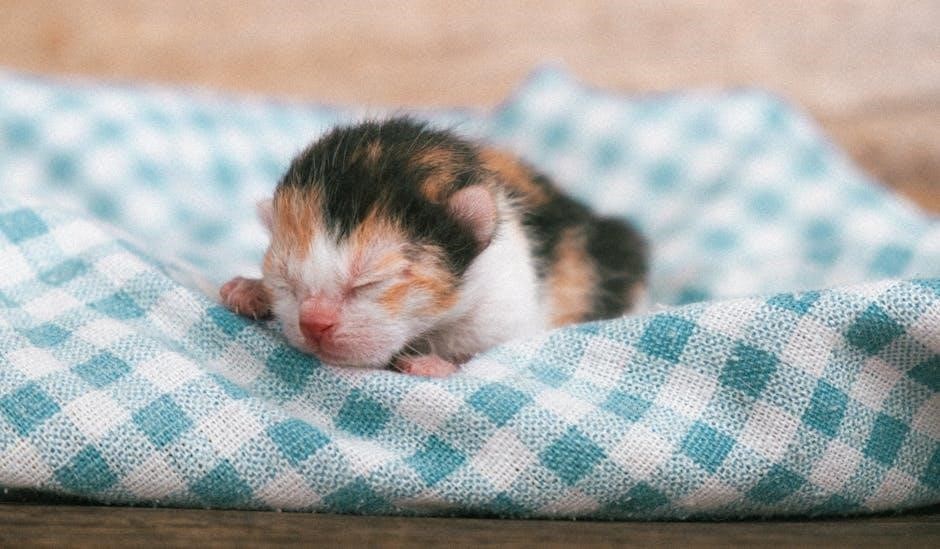
Ensure the microchip number is registered with a recovery database, and crucially, keep your contact information updated. A collar with an ID tag offering immediate contact details is also vital, especially during the initial adjustment period.
Double-check the tag is secure and legible. Microchipping isn’t a substitute for a collar, but a vital backup. It’s a small investment offering immense peace of mind and greatly increases the chances of a safe return.

Importance of Microchipping
A new kitten checklist PDF will highlight microchipping as a non-negotiable step. Unlike collars which can fall off, a microchip provides permanent identification. It’s a small device, about the size of a grain of rice, implanted under the skin, offering a unique identification number.
This number is linked to your contact information in a national database. If your kitten gets lost and is taken to a vet or shelter, they can scan the chip and quickly reunite you. It’s especially crucial as kittens are naturally curious and prone to wandering.
Microchipping significantly increases the odds of a happy reunion, offering peace of mind and a safety net for your new family member. Don’t delay – it’s a simple procedure with lifelong benefits!

Comfort & Enrichment
A thorough new kitten checklist PDF emphasizes creating a comforting and stimulating environment. Kittens thrive on security, so a cozy cat bed in a quiet location is essential. Consider one with high sides for a sense of safety.
Beyond a bed, enrichment is vital for preventing boredom and encouraging healthy development. Scratching posts are a must – they satisfy natural instincts and protect your furniture! Offer a variety of textures and orientations (vertical, horizontal).
Interactive cat toys, like wands and puzzle feeders, provide mental stimulation and encourage play. Rotate toys regularly to keep your kitten engaged. A happy kitten is an enriched kitten, and a checklist helps you prioritize these crucial elements!
Choosing a Cat Bed
A new kitten checklist PDF will invariably highlight the importance of a dedicated sleeping space. Selecting the right cat bed is crucial for your kitten’s comfort and sense of security. Consider their personality – does your kitten like to curl up or stretch out?
Options range from plush, enclosed beds that offer a feeling of safety to more open, cushioned mats; For younger kittens, beds with higher sides can provide a comforting den-like atmosphere. Think about material too; soft, washable fabrics are ideal.
Placement matters! Position the bed in a quiet, draft-free area, away from high traffic. Multiple beds in different locations can cater to your kitten’s changing preferences. A cozy bed equals a happy kitten!
Scratching Posts & Toys
A thorough new kitten checklist PDF emphasizes the necessity of scratching posts and engaging toys. Scratching is a natural feline behavior, vital for claw health and stress relief – redirect this instinct away from your furniture!
Variety is key when it comes to scratching posts. Offer both vertical and horizontal options, made from materials like sisal, cardboard, or wood. Toys should stimulate your kitten’s hunting instincts; think feather wands, toy mice, and puzzle toys.
Rotate toys regularly to maintain interest. Interactive play sessions are crucial for bonding and providing mental enrichment. Ensure all toys are safe, without small parts that could be swallowed. A playful kitten is a happy, well-adjusted kitten!
Types of Scratching Posts
A detailed new kitten checklist PDF will highlight the diverse world of scratching posts available. Understanding these options is crucial for satisfying your kitten’s natural instincts and protecting your home.
Cardboard scratchers are affordable and disposable, often favored by kittens. Sisal fabric-covered posts are durable and provide a satisfying texture. Carpeted posts, while popular, can encourage scratching on your carpets – proceed with caution! Wooden posts offer a natural aesthetic and longevity.
Consider vertical posts for stretching and a full-body scratch, and horizontal scratchers for a different angle. Some posts incorporate toys or hideaways for added enrichment. Observe your kitten’s preferences to determine the best fit!
Transportation & Safety
A thorough new kitten checklist PDF emphasizes the importance of safe transportation and overall kitten security. Selecting the right cat carrier is paramount for vet visits and travel, ensuring a stress-free experience for your new companion.
Choose a carrier that’s appropriately sized – enough room to stand, turn around, and lie down comfortably. Hard-sided carriers offer more protection, while soft-sided ones are lighter and more portable. Familiarize your kitten with the carrier by leaving it open with a cozy blanket inside.
Never allow your kitten to roam unsupervised outdoors. Microchipping and a secure collar with identification tags are vital for a swift return if they ever escape. Prioritize a safe and secure environment from day one!
Selecting a Cat Carrier
A new kitten checklist PDF will invariably highlight the crucial step of choosing a suitable cat carrier. This isn’t merely a transport device; it’s a safe haven for your kitten during vet visits and journeys to your home. Prioritize a carrier that feels secure and minimizes stress.
Consider both hard-sided and soft-sided options. Hard-sided carriers offer robust protection, while soft-sided ones are often lighter and more comfortable for shorter trips. Ensure adequate ventilation and easy cleaning. The size should allow your kitten to stand, turn, and lie down comfortably.
Introduce the carrier positively by placing familiar blankets and toys inside. This helps associate it with comfort, reducing anxiety during travel. A well-chosen carrier is an investment in your kitten’s wellbeing!
Initial Adjustment Period
A new kitten checklist PDF emphasizes the importance of a patient and understanding initial adjustment period. Your new kitten is entering a strange environment, and feeling overwhelmed is natural. Allow them to explore at their own pace, starting with a designated “safe room.”
Don’t force interaction; let the kitten approach you when they feel ready. Provide plenty of hiding places, like boxes or covered beds, to boost their confidence. Consistent routines for feeding and playtime will help establish a sense of security.
Expect some hiding, hesitant eating, and quiet observation. Avoid loud noises and sudden movements. This period can last a few days to a few weeks – patience is key to a successful integration!
Introducing Your Kitten to Other Pets
A thorough new kitten checklist PDF highlights the careful process of introducing a new kitten to resident pets. Initial introductions should be scent-based – swap bedding between the kitten and existing animals. This allows them to familiarize themselves with each other’s smells without direct contact.
Supervised, brief visual introductions are the next step. Keep the kitten in a carrier or behind a baby gate. Monitor body language closely for signs of stress or aggression. Positive reinforcement, like treats, can create positive associations.
Gradually increase the duration of supervised interactions. Never force interaction. Ensure each pet has their own safe space and resources to avoid competition. Patience is crucial for a harmonious multi-pet household!
Kitten Feeding Schedule
A detailed new kitten checklist PDF emphasizes the importance of a structured feeding schedule. For kittens under 12 weeks, frequent, small meals are vital – typically 4 times a day. As they grow, you can reduce this to 3, then 2 meals daily by six months.
Wet food is crucial for hydration, especially for young kittens. Supplement with high-quality dry kitten food. Always provide fresh, clean water. The checklist will often include portion size guidelines based on age and weight.
Avoid free-feeding, as it can lead to overeating and obesity. Establishing a routine helps with digestion and house-training. Monitor your kitten’s weight and adjust portions accordingly, consulting your veterinarian for personalized advice.
Establishing a Routine
A new kitten checklist PDF consistently highlights the benefits of establishing a predictable routine. Kittens thrive on consistency, which reduces stress and fosters a sense of security in their new environment. This includes set feeding times, playtime, and quiet rest periods.
Regular playtime encourages exercise and bonding, while designated quiet times allow for relaxation and digestion. A consistent litter box schedule aids in house-training. Incorporate grooming into the routine early on to acclimate your kitten to being handled.
Stick to the schedule as much as possible, even on weekends. Predictability helps your kitten adjust and minimizes behavioral issues; A well-structured routine contributes significantly to a happy and well-adjusted feline companion.
Behavioral Considerations
A thorough new kitten checklist PDF emphasizes understanding typical kitten behaviors. Expect playful pouncing, curious exploration, and occasional mischievousness! Kittens learn boundaries through consistent, positive reinforcement – never punishment.
Scratching is a natural instinct; provide appropriate scratching posts to protect your furniture. Playtime should mimic hunting behavior, satisfying their predatory drive. Be patient with accidents during litter box training; cleanliness and consistency are key.

Recognize signs of stress, such as hiding or excessive vocalization. Socialization is crucial; expose your kitten to various sights, sounds, and people gradually. Understanding these behavioral nuances, as detailed in checklists, builds a strong bond and prevents future problems.
Understanding Kitten Play
A detailed new kitten checklist PDF highlights the importance of understanding kitten play. It’s not just about fun; play is vital for physical and mental development, mimicking hunting behaviors essential for their well-being.
Kittens engage in stalking, pouncing, and batting, refining coordination and problem-solving skills. Interactive toys, like wands and laser pointers (used responsibly), encourage exercise and bonding. Rotate toys to maintain interest and prevent boredom.
Avoid using your hands or feet as toys, as this can lead to inappropriate biting or scratching. Short, frequent play sessions are more effective than long, infrequent ones. Recognizing and facilitating their play needs, as outlined in comprehensive checklists, fosters a happy and healthy kitten.