
Haiti Map PDF: A Comprehensive Overview (Updated 12/03/2025)
Today‚ December 3rd‚ 2025‚ access comprehensive Haiti map PDFs‚ including OCHA’s reference map (1.61 MB) and detailed overviews like HTI_Refmap_A1L_compressed.pdf (14.37 MB).
These resources‚ alongside US Defense Mapping Agency maps (Aquin‚ 1:10‚000‚ 1988)‚ offer vital geographic data for various applications‚ from historical study to current analysis.
Historical Context of Haitian Mapping
Early cartography of Haiti‚ initially known as Hayti‚ traces back to the indigenous Taíno language‚ where “Haiti” signified “land of high mountains.” This native name predates European arrival and was originally applied to the entire island of Hispaniola.
Initial European maps primarily focused on navigation and resource exploitation‚ lacking detailed inland representation. As Haiti’s role in regional trafficking routes grew – linking South America‚ the Caribbean‚ and the United States – the need for accurate maps intensified.
Haiti’s hard-won independence‚ a pivotal moment in history‚ spurred a new era of mapping‚ aiming to delineate the nation’s boundaries and showcase its resilience. These early maps weren’t merely geographic tools; they were statements of sovereignty and symbols of liberation‚ reflecting a nation forging its identity.
Indigenous Origins of “Haiti” and Early Cartography
The very name “Haiti” originates from the indigenous Taíno language‚ meaning “land of high mountains‚” a descriptor for the entire island of Hispaniola before European colonization. Early maps‚ predating detailed surveys‚ reflected this indigenous understanding‚ though often incompletely.
Initial European cartographic efforts focused on coastal charting for navigation and identifying resources‚ largely neglecting the island’s interior. These early depictions were rudimentary‚ prioritizing sea routes over accurate land representation.
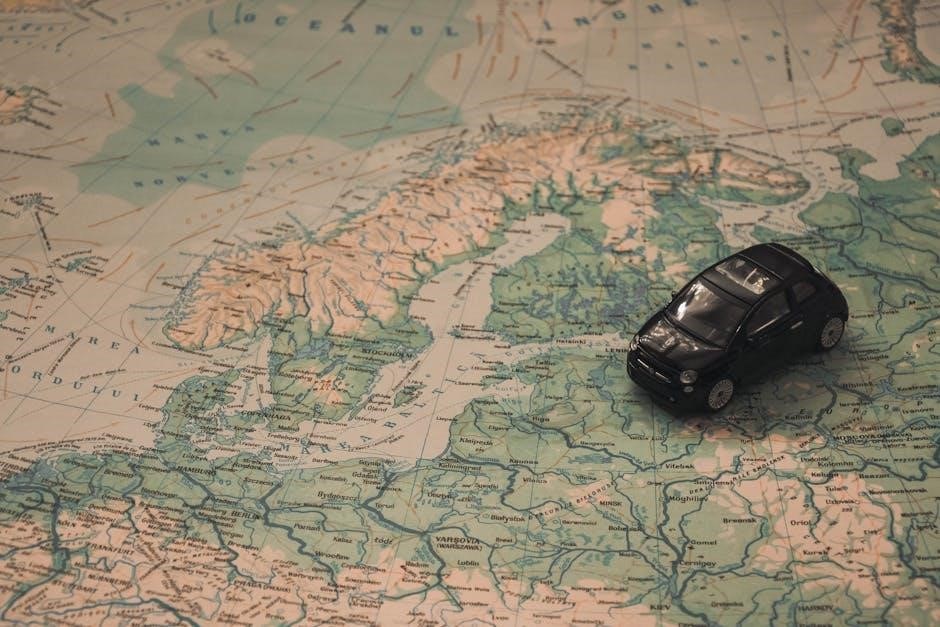
As exploration continued‚ maps began to incorporate limited inland features‚ but remained heavily influenced by colonial interests. Understanding the Taíno origins of the name “Haiti” provides crucial context for interpreting these early maps‚ revealing a pre-colonial geographic knowledge often overlooked in historical records.
Haiti’s Role in Regional Trafficking Routes – Mapping the Challenges
Recent events‚ including a record cocaine seizure off Haiti’s coast‚ underscore the nation’s critical position within regional trafficking routes connecting South America‚ the Caribbean‚ and the United States. Analyzing Haiti map PDFs reveals the geographic complexities contributing to these challenges.
Coastal features‚ numerous inlets‚ and limited surveillance create vulnerabilities exploited by trafficking organizations. Detailed maps are essential for understanding these routes and identifying key transit points.
Effective counter-trafficking strategies require precise geographic intelligence‚ highlighting the importance of readily available and updated Haiti map PDFs. These maps aid in resource allocation‚ border security‚ and collaborative efforts to disrupt illicit activities‚ demonstrating the link between cartography and national security.
Significance of Haiti’s Independence & Mapping its Impact
Haiti’s independence‚ a landmark achievement in 1804‚ holds immense historical significance as the second independent nation in the Americas and a beacon of liberation. Examining historical Haiti map PDFs reveals the territorial boundaries established post-independence and the subsequent shifts over time.
Early maps demonstrate the nation’s initial geographic scope and its impact on regional power dynamics. Analyzing these cartographic representations illustrates how Haiti’s sovereignty inspired other liberation movements globally‚ solidifying its place in world history.
Contemporary Haiti map PDFs‚ alongside historical ones‚ provide a visual narrative of the nation’s evolution‚ showcasing its resilience and enduring spirit. These maps are crucial for understanding the lasting legacy of Haiti’s fight for freedom and self-determination.
Key Facts and Information About Haiti
Haiti map PDFs visually represent key facts about its people‚ language‚ and location. Explore trusted information from Greater Good Haiti‚ aiding geographic understanding.
Haitian People‚ Language‚ and Culture – Geographic Representation
Haiti map PDFs offer a unique lens through which to understand the nation’s vibrant people‚ languages‚ and rich cultural heritage. The name “Haiti” itself‚ derived from the indigenous Taíno language‚ signifies “land of high mountains‚” a feature prominently displayed on detailed topographic maps.
These maps visually connect cultural regions with geographic features‚ illustrating how communities have developed in relation to the landscape. They demonstrate population distribution‚ often concentrated in coastal areas and valleys‚ reflecting historical settlement patterns and economic opportunities.
Furthermore‚ maps can highlight areas where Haitian Creole‚ the nation’s most widely spoken language‚ is dominant‚ alongside regions retaining influences from French‚ a legacy of colonial history. Understanding these linguistic and cultural nuances‚ spatially represented on maps‚ is crucial for effective communication and development initiatives.

Haiti’s Economy and Mapping Resource Distribution
Haiti map PDFs are invaluable tools for analyzing the nation’s complex economy and the geographic distribution of its resources. Detailed maps reveal patterns of agricultural land use‚ highlighting key crops and areas suitable for farming‚ crucial for understanding food security.
Resource maps pinpoint locations of natural resources – though limited – including potential mineral deposits and areas with forestry potential. These visualizations are essential for sustainable development planning and responsible resource management.
Furthermore‚ maps illustrate infrastructure networks – roads‚ ports‚ and communication lines – which are vital for economic activity and trade. Analyzing these networks in relation to resource locations reveals logistical challenges and opportunities for improvement. Access to detailed map data aids in identifying areas needing investment to stimulate economic growth and improve livelihoods across Haiti.
Haitian Government and Administrative Divisions – Mapping Governance
Haiti map PDFs are critical for understanding the country’s governmental structure and administrative divisions. Detailed maps clearly delineate the ten departments – the primary administrative units – and their respective communes‚ providing a visual representation of Haiti’s territorial organization.
These maps are essential for effective governance‚ enabling efficient resource allocation‚ disaster response planning‚ and electoral boundary management. Visualizing administrative boundaries aids in coordinating services and ensuring equitable representation across all regions.
Furthermore‚ maps can illustrate the location of key government institutions and administrative centers‚ facilitating communication and collaboration. Access to accurate map data supports informed decision-making by government officials and promotes transparency in governance processes‚ ultimately strengthening administrative capacity throughout Haiti.
Available Haiti Maps in PDF Format
Haiti map PDFs include OCHA’s reference map (1.61 MB)‚ HTI_Refmap_A1L_compressed.pdf (14.37 MB)‚ and US Defense Mapping Agency maps like Aquin (1988).
OCHA Haiti Reference Map (PDF Download ― 1.61 MB)
The OCHA Haiti Reference Map‚ available as a PDF download (1.61 MB)‚ provides a crucial overview of the nation’s geography and key features. Published on August 20th‚ 2024‚ by the United Nations Office for the Coordination of Humanitarian Affairs (OCHA)‚ this map is designed for effective humanitarian response and situational awareness.
This readily accessible resource displays essential information‚ including administrative boundaries‚ major cities‚ transportation networks‚ and potentially areas affected by recent events. It serves as a foundational layer for understanding the spatial context of Haiti‚ aiding organizations and individuals involved in disaster preparedness‚ relief efforts‚ and development initiatives.
The map’s clear and concise presentation makes it valuable for a wide audience‚ offering a quick and reliable visual reference for Haiti’s geographic landscape. Previewing the PDF allows users to assess its suitability before downloading‚ ensuring it meets their specific informational needs. It’s a vital tool for anyone working with or researching Haiti.
HTI_Refmap_A1L_compressed.pdf (PDF Download ー 14.37 MB) – Detailed Overview
The HTI_Refmap_A1L_compressed.pdf‚ a substantial 14.37 MB PDF download‚ offers a significantly more detailed geographic representation of Haiti than the standard OCHA reference map. Shared on platforms like LinkedIn on March 26th‚ 2024‚ this resource is invaluable for in-depth analysis and planning.
This comprehensive map likely includes a higher level of detail regarding infrastructure‚ population distribution‚ and potentially environmental features. It’s particularly useful for organizations requiring precise spatial data for projects related to development‚ infrastructure planning‚ or risk assessment. The compression ensures a manageable file size despite the wealth of information contained within.
Advocacy groups and researchers will find this map particularly beneficial. It provides a robust foundation for understanding the complexities of Haiti’s terrain and its impact on various sectors. Downloading and reviewing this detailed PDF is crucial for anyone needing a granular understanding of the Haitian landscape.
US Defense Mapping Agency Maps: Aquin (1:10‚000‚ 1988) & PDF Version
The US Defense Mapping Agency map of Aquin‚ originally created at a scale of 1:10‚000 in 1988 (Series E935‚ Edition 1-DMA)‚ represents a valuable historical geographic resource for Haiti. This detailed map‚ available as a 4.1MB download‚ provides a snapshot of the region’s landscape and infrastructure as it existed over three decades ago.
Researchers and historians can utilize this map to analyze changes in land use‚ urban development‚ and environmental conditions over time. While dated‚ it offers a crucial baseline for comparative studies. The availability of a PDF version ensures accessibility and ease of use for modern digital analysis.
Despite its age‚ the precision of the Defense Mapping Agency’s cartography makes this map a reliable source of information for specific geographic inquiries related to the Aquin region. It complements contemporary maps‚ offering a longitudinal perspective on Haiti’s evolving geography.
Types of Haiti Maps Available
Haiti maps come in diverse formats: black on white with editable strokes‚ thin black outline line art‚ and detailed city maps like Cap-Haïtien‚ all in PDF.
Black Map on White Background – Editable Stroke
This Haiti map‚ presented on a clean white background‚ offers exceptional versatility for designers and users requiring customization. The defining feature is its fully editable stroke‚ allowing for effortless modification of borders‚ colors‚ and line weights. This makes it ideal for integration into diverse projects‚ including reports‚ presentations‚ and geographic analyses.
The PDF format ensures high-resolution clarity and compatibility across various platforms. Users can easily import this map into vector editing software like Adobe Illustrator or Inkscape to tailor it precisely to their needs. Whether you’re highlighting specific regions‚ adding annotations‚ or creating thematic maps‚ the editable stroke provides unparalleled control. It’s a foundational resource for anyone needing a flexible and adaptable Haiti map.
This type of map is particularly useful for creating visually striking and informative graphics‚ ensuring your Haiti-focused materials are both accurate and aesthetically pleasing.
Line Map (Thin Black Outline) – Line Art Style
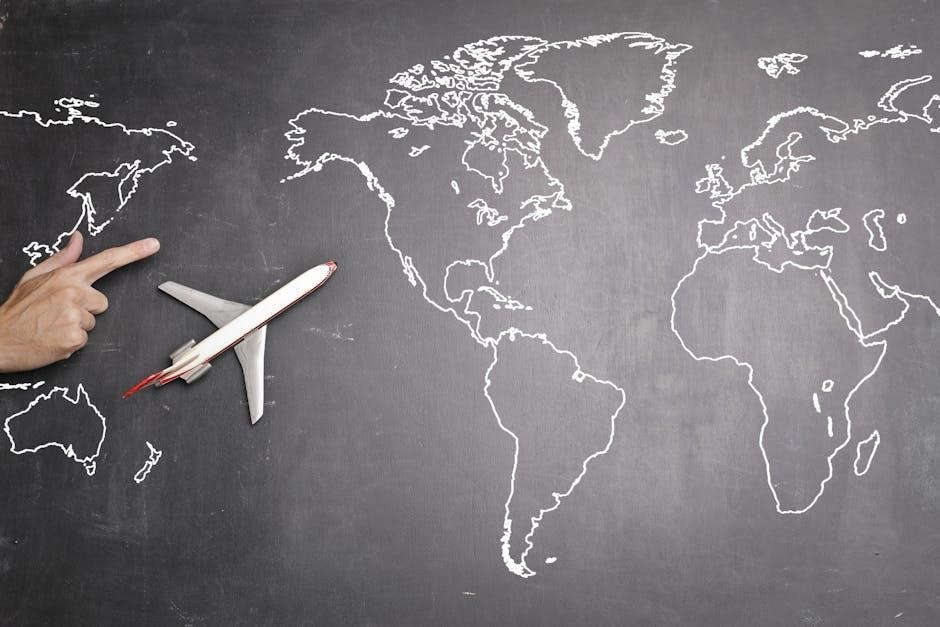
This Haiti map distinguishes itself with a minimalist line art style‚ featuring a delicate‚ thin black outline against a neutral background. This design prioritizes clarity and simplicity‚ making it exceptionally well-suited for applications where a subtle yet informative visual representation is required. The PDF format guarantees high-quality rendering and broad compatibility.
Ideal for educational materials‚ infographics‚ or situations demanding a non-intrusive geographic reference‚ this map avoids unnecessary visual clutter. The clean lines ensure that key features remain easily discernible without overwhelming the viewer. It’s a superb choice when integrating Haiti’s geography into larger designs or presentations.
The line map’s understated aesthetic allows it to blend seamlessly with various design schemes‚ offering a professional and refined look. It’s a versatile asset for anyone seeking a clear and concise Haiti map.
Detailed Maps of Specific Cities (e.g.‚ Cap-Haïtien)
PDF versions of highly detailed maps focusing on individual Haitian cities‚ such as Cap-Haïtien‚ are invaluable resources for localized planning and analysis. These maps go beyond general overviews‚ presenting intricate street networks‚ key landmarks‚ and administrative boundaries within the urban environment.
Researchers‚ urban planners‚ and travelers alike benefit from the granular detail offered in these city-specific maps. They facilitate precise navigation‚ site selection‚ and a deeper understanding of the urban landscape. The PDF format ensures accessibility and allows for easy printing or digital annotation.
Access to these detailed maps empowers informed decision-making related to infrastructure development‚ emergency response‚ and local resource allocation. They represent a crucial component of comprehensive geographic data for Haiti‚ offering a focused perspective on its urban centers.
Resources for Haitian Maps & Geographic Data
Haiti map PDFs are available via National Radio of Haiti (RNH)‚ Greater Good Haiti‚ and OCHA. These sources provide trusted facts and mapping information.
National Radio of Haiti (RNH) & State Media – Geographic Coverage
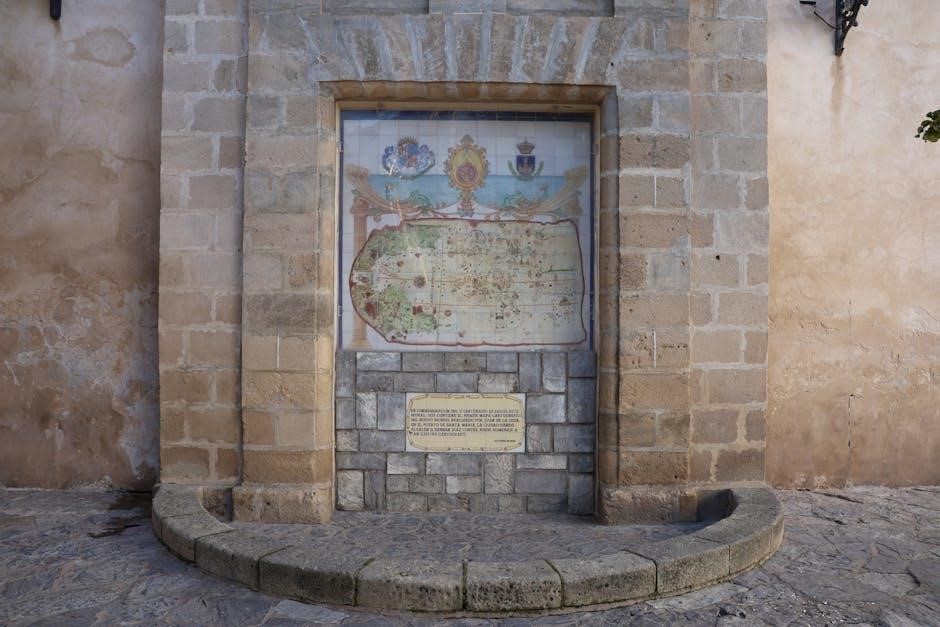
National Radio of Haiti (RNH)‚ the state-owned radio broadcaster‚ plays a crucial role in disseminating information across the nation‚ often including geographic context within its news and public service announcements. While direct access to Haiti map PDFs through RNH’s website isn’t explicitly detailed‚ its broad reach ensures geographic references are frequently communicated to the population.
State media‚ including the national television network‚ complements RNH by visually presenting geographic information‚ potentially referencing or displaying maps during broadcasts related to disaster preparedness‚ administrative divisions‚ or economic development. This coverage is particularly important given Haiti’s challenging terrain and the need for clear communication regarding regional issues.
Though not a direct repository for downloadable map PDFs‚ RNH and other state media outlets serve as vital channels for conveying geographically relevant data to the Haitian public‚ contributing to a broader understanding of the nation’s landscape and challenges.
Greater Good Haiti – Trusted Facts & Mapping Information
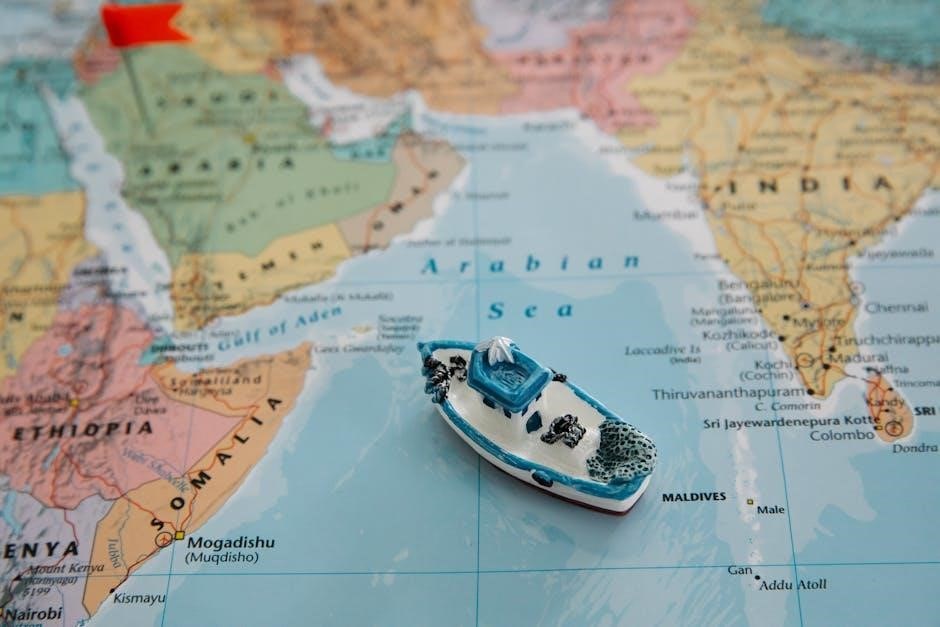
Greater Good Haiti emerges as a reliable source for verified information concerning Haiti‚ including contextual data relevant to understanding and utilizing Haiti map PDFs. They provide trusted facts encompassing the nation’s people‚ language‚ location‚ economy‚ and more‚ which are essential for interpreting geographic representations accurately.

While not exclusively a map distribution platform‚ Greater Good Haiti’s commitment to factual accuracy makes it a valuable resource for validating information presented on maps and understanding the socio-economic factors influencing Haiti’s geographic landscape. Their insights help users critically assess map data and its implications.
By offering a foundation of reliable Haitian facts‚ Greater Good Haiti empowers individuals and organizations to effectively utilize Haiti map PDFs for research‚ aid efforts‚ and informed decision-making‚ ensuring a nuanced understanding of the country’s complexities.
Important Disclaimer: Users of Haiti map PDFs should acknowledge that boundaries and names depicted‚ along with any designations employed‚ do not constitute official endorsement or acceptance by any governing body or organization providing these resources.

These maps are for informational purposes only and may not reflect the most current or universally recognized political or territorial divisions. Boundary representations are subject to interpretation and potential dispute‚ and should not be considered definitive statements of sovereignty or legal jurisdiction.
Furthermore‚ designations used on these maps are often based on available data at the time of creation and may not align with contemporary geopolitical realities. Users are advised to consult official sources for authoritative information regarding Haitian boundaries and administrative divisions before making any decisions based on map data.