Betta Fish Care Guide: A Comprehensive Overview
Bettas, celebrated for their stunning appearance, thrive with dedicated care, potentially living two to five years—or even longer—when their needs are consistently met.
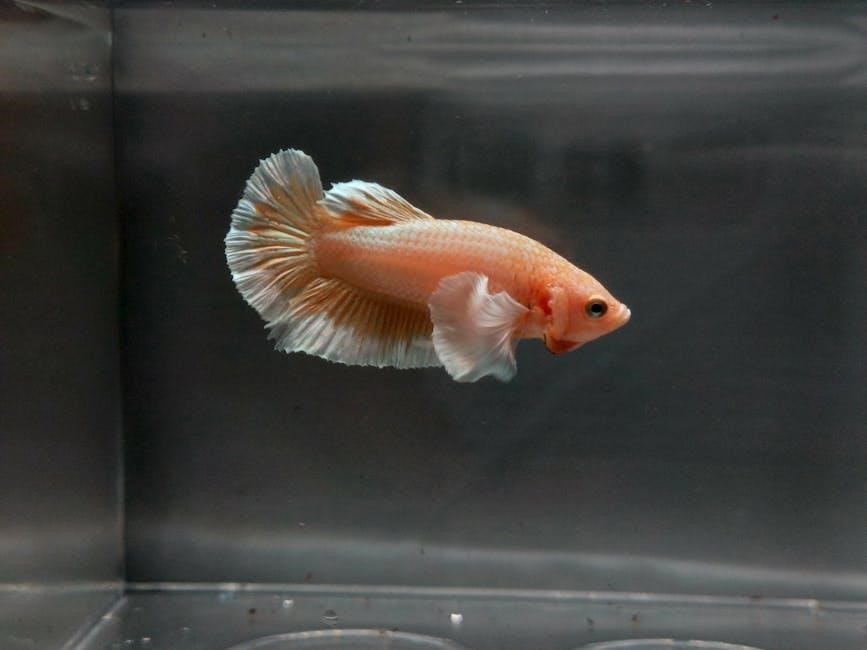
Betta splendens, commonly known as the Siamese fighting fish, captivates enthusiasts with its brilliant colors and graceful, flowing fins. Originating from the shallow rice paddies, canals, and floodplains of Southeast Asia – specifically Thailand, Cambodia, Laos, Vietnam, and Malaysia – these remarkable fish have adapted to environments with low oxygen levels.
Historically, Bettas were selectively bred for aggression, a trait utilized in traditional “fish fighting” contests. Thankfully, modern breeding focuses on aesthetic qualities, resulting in a stunning array of colors, fin types, and patterns. Despite their captivating beauty, providing proper care is paramount to ensuring a long and healthy life for your Betta. Understanding their natural habitat and specific needs is the first step towards responsible ownership, allowing these vibrant creatures to truly flourish within a home aquarium.
Understanding Betta Fish Behavior
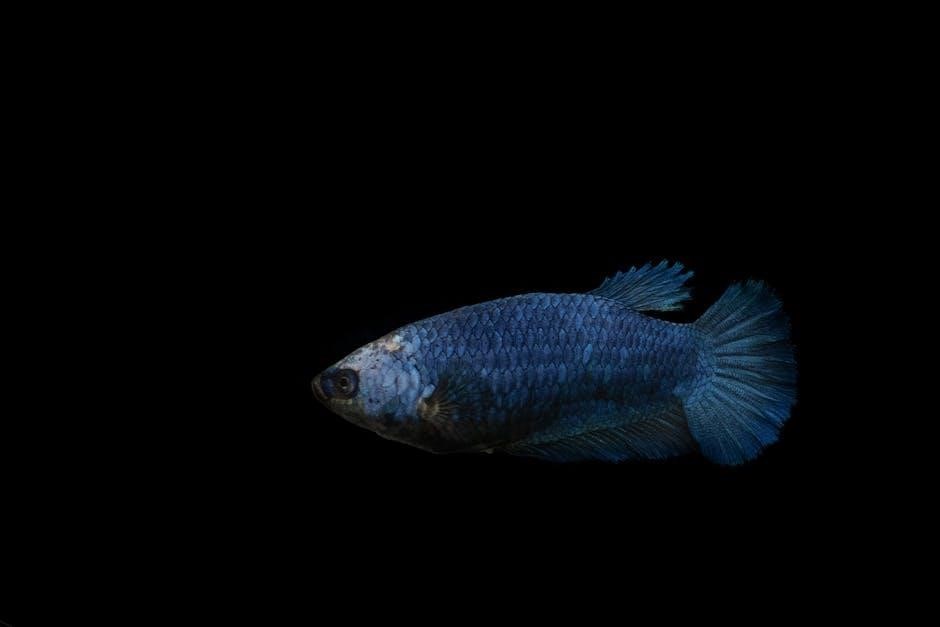
Bettas exhibit a fascinating range of behaviors, stemming from their natural instincts and individual personalities. While known for their territoriality – a legacy of their fighting fish ancestry – they also display curiosity and can even recognize their owners. Observe your Betta closely; flaring gills and extended fins often indicate aggression or a display of dominance, particularly towards other male Bettas.
However, these displays aren’t always hostile. Bettas may also flare at their reflection, mistaking it for a rival. Lethargy or a loss of appetite can signal illness or stress. Providing ample hiding places and a spacious tank minimizes stress. Bettas are labyrinth fish, meaning they possess a labyrinth organ allowing them to breathe atmospheric air, so observing them surface is normal.
Setting Up the Ideal Betta Tank
Replicating their natural habitat is crucial for Betta well-being, demanding careful consideration of tank size, water quality, and enriching decorations for optimal health.
Tank Size and Shape
While Bettas can survive in smaller environments, a larger tank significantly enhances their quality of life. A minimum of 5 gallons is highly recommended, though 10 gallons or more provides even greater benefits. Larger volumes of water are more stable, lessening the impact of fluctuations in water parameters.
Avoid tall, narrow tanks, as they limit swimming space and surface area for gas exchange. Bettas prefer horizontally oriented tanks, allowing them to explore and establish territories. The tank’s length and width are more important than its height.
Shape isn’t as critical as volume, but rectangular tanks are generally preferred for ease of setup and decoration. Ensure the tank is made of glass or acrylic, materials that are non-toxic and easy to clean. Remember, a spacious and well-designed tank is a foundational element of responsible Betta care.
Water Parameters: Temperature, pH, and Hardness
Maintaining optimal water parameters is crucial for a Betta’s health and vitality. Temperature should be consistently maintained between 78-80°F (25.5-26.7°C). A reliable heater is essential, especially in colder climates, to prevent stress and illness. Fluctuations should be avoided as they can weaken the immune system.
The ideal pH level for Bettas is slightly acidic, ranging from 6.5 to 7.5. While they can tolerate a wider range, stability is key. Regular testing with a liquid test kit is recommended to monitor pH levels.
Water hardness should be relatively low, ideally between 2-12 dGH. Hard water can stress Bettas and affect their ability to osmoregulate. Consistent monitoring and adjustments, if necessary, will ensure a thriving aquatic environment for your Betta.
Filtration Systems for Betta Fish
While Bettas can survive in small spaces, a filtration system is vital for maintaining water quality and their long-term health. Strong currents are detrimental, as they exhaust their delicate fins; therefore, selecting the right filter is paramount.
Sponge filters are an excellent choice, providing gentle filtration and a large surface area for beneficial bacteria. They are also affordable and easy to maintain. Alternatively, a low-flow internal filter can be used, ensuring adjustable flow rates.
Avoid powerful filters designed for larger tanks, as the strong current can stress your Betta. Regular filter maintenance, including rinsing the sponge or replacing filter media, is crucial for optimal performance and a healthy aquatic environment.
Substrate and Decorations
The substrate, or tank bottom, plays a role in the aquarium’s ecosystem and aesthetic appeal. Smooth gravel or sand are popular choices for Betta tanks, preventing injury to their delicate fins. Darker substrates can enhance their vibrant colors, creating a visually stunning display.
Decorations are essential for providing hiding places and enrichment. Live or silk plants are preferable to plastic ones, as plastic can tear fins. Driftwood and caves offer shelter, reducing stress and mimicking their natural habitat.
Ensure all decorations are smooth and free of sharp edges. Avoid overcrowding the tank, allowing ample space for swimming. A well-decorated tank provides a stimulating and secure environment for your Betta to thrive in.
Essential Tank Equipment
A reliable filter is crucial for maintaining water quality, removing waste and toxins. Choose a filter with adjustable flow, as Bettas prefer gentle currents. A heater is vital to maintain a stable temperature between 78-80°F (25-27°C), essential for their tropical nature.
A thermometer is necessary to monitor water temperature accurately. A tank light isn’t strictly required, but enhances viewing and supports live plant growth. A water conditioner removes harmful chlorine and chloramine from tap water.
Gravel vacuuming tools simplify cleaning, while testing kits monitor water parameters. These components collectively create a safe and healthy environment, promoting your Betta’s well-being and vibrant display.
Betta Fish Feeding Guide
Providing a varied diet is key to a Betta’s health, ensuring vibrant colors and longevity through appropriate portion control and food selection.
Types of Betta Food
Betta fish are carnivores, requiring a protein-rich diet to flourish. Several excellent food options cater to their specific nutritional needs. High-quality betta pellets are a staple, formulated with the correct balance of proteins, vitamins, and minerals. These come in various forms, including floating and sinking pellets, allowing you to observe your Betta’s feeding preference.
Beyond pellets, frozen and live foods offer enrichment and essential nutrients. Bloodworms, daphnia, and brine shrimp are highly palatable and provide natural color enhancement. Freeze-dried options are convenient, but always rehydrate them before feeding to prevent bloating. Avoid overfeeding live foods, as they can quickly foul the water.
Specialty betta foods, like color-enhancing flakes or bottom feeder pellets, can supplement their diet, but should not be the sole source of nutrition. Remember to rotate food types to provide a diverse range of nutrients and keep your Betta interested in mealtime!
Feeding Schedule and Portion Control
Establishing a consistent feeding schedule is crucial for your Betta’s health. Adult Bettas generally thrive on two to three small feedings daily. However, portion control is paramount; Bettas have small stomachs and are prone to overeating, leading to digestive issues and obesity. A good rule of thumb is to offer only as much food as your Betta can consume within two to three minutes.
Observe your Betta during feeding to gauge appropriate amounts. Remove any uneaten food promptly to maintain water quality. Fasting one day per week can also benefit their digestion and prevent bloating. Varying the food type throughout the week ensures a balanced diet.
Young Bettas, or fry, require more frequent, smaller feedings to support their rapid growth. Adjust the feeding schedule and portion sizes based on your Betta’s age, activity level, and overall health.
Foods to Avoid
Certain foods can be detrimental to your Betta’s well-being and should be strictly avoided. These include flake foods that are heavily processed and contain fillers, as they offer minimal nutritional value and can contribute to digestive problems. Avoid feeding your Betta human foods like bread, as they are unsuitable for their digestive system and can pollute the tank.
Live foods, while generally beneficial, require caution. Avoid feeding wild-caught insects, as they may carry parasites or have been exposed to pesticides. Freeze-dried foods should be soaked before feeding to prevent bloating.
Foods high in fat should be given sparingly, as they can lead to obesity and related health issues. Always research any new food before introducing it to your Betta’s diet to ensure it’s appropriate and safe.
Betta Fish Health and Disease
Maintaining optimal water quality and observing your Betta closely are crucial for preventing illness and promptly addressing any health concerns that may arise.
Common Betta Diseases (Fin Rot, Ich, Velvet)
Bettas are susceptible to several common diseases, often stemming from poor water conditions or stress. Fin rot, a bacterial infection, manifests as ragged or decaying fins, requiring immediate treatment with antibiotics and improved water quality.
Ich, characterized by small white spots resembling salt, is a parasitic infection treatable with medication and gradual temperature increases. Velvet, another parasitic disease, presents as a golden dust on the body, demanding prompt treatment with specific medications.
Early detection is key; observe your Betta daily for any unusual behavior or physical changes. Maintaining pristine water parameters, providing a balanced diet, and minimizing stress are vital preventative measures against these and other potential ailments.
Recognizing Symptoms of Illness
Early detection is crucial for successful Betta treatment. Watch for changes in behavior, such as lethargy, loss of appetite, or clamped fins – a sign of stress or discomfort. Physical symptoms include cloudy eyes, swollen abdomen, or unusual spots and growths on the body.
Fin issues are common indicators; look for fin rot (ragged fins), fin clamping, or discoloration. Breathing difficulties, evidenced by gasping at the surface, suggest gill problems or poor water quality.
Changes in scale appearance, like raised scales or a dull coat, can signal infection. Promptly isolating a sick Betta prevents disease spread and allows focused treatment. Consistent observation is your best defense against undetected illness.
Preventative Measures and Quarantine
Proactive care minimizes illness risk. Maintain pristine water quality through regular changes and filtration, reducing stress and bolstering the Betta’s immune system. A balanced diet provides essential nutrients for optimal health and disease resistance. Avoid overcrowding and sudden environmental shifts, as these induce stress.
Quarantine is vital when introducing new Bettas or tank mates. A separate tank allows observation for at least two weeks, preventing potential outbreaks in the main tank.
During quarantine, closely monitor for any signs of illness. This practice safeguards your existing fish population and enables early intervention if a problem arises. Consistent preventative measures are far more effective than reactive treatments.
Medication and Treatment Options
When illness strikes, prompt and accurate treatment is crucial. For bacterial infections like Fin Rot, antibiotics specifically formulated for fish are often necessary, following dosage instructions carefully. Ich, a parasitic infection, responds well to increased water temperature and medications containing malachite green or formalin.
Velvet, another parasitic disease, requires similar treatments, alongside darkened tank conditions. Always research medications thoroughly, ensuring they are safe for Bettas and compatible with any existing tank inhabitants.
Water changes are a supportive therapy during medication, removing toxins and promoting healing. Observe your Betta closely for improvement, and consult a veterinarian if symptoms worsen or don’t resolve.

Betta Fish Tank Maintenance
Regular upkeep is vital for a healthy Betta; consistent water changes, careful cleaning, and diligent algae control ensure a thriving aquatic environment.
Water Changes: Frequency and Procedure
Maintaining pristine water quality is paramount for Betta health, and regular water changes are the cornerstone of this effort. For a standard 5-gallon tank, a 25-50% water change weekly is generally recommended, though this can be adjusted based on filtration and tank load.
Before beginning, always dechlorinate new water to remove harmful chemicals. Gently siphon the substrate to remove debris, avoiding disturbing the beneficial bacteria colony. Temperature-match the new water to prevent shock.
Avoid completely emptying the tank, as this disrupts the biological balance. Use a gravel vacuum to clean the substrate and remove waste. Never use soap or detergents, as these are toxic to Bettas. Observe your Betta closely after a water change for any signs of stress.
Cleaning the Tank and Decorations
Regular cleaning of the Betta tank and its decorations is crucial for maintaining a healthy environment. During water changes, gently scrub algae from the glass using an algae scraper – avoid abrasive cleaners. Decorations should be cleaned as needed, but not all at once, to preserve beneficial bacteria.
Remove decorations carefully and rinse them in removed tank water, never under tap water, to avoid killing the bacteria. Inspect decorations for sharp edges that could injure your Betta. Avoid using soaps or detergents; a gentle scrub with tank water is sufficient.
Thoroughly rinse any new decorations before introducing them to the tank. Consistent, gentle cleaning prevents buildup and ensures a vibrant, safe habitat for your Betta.
Algae Control
Algae growth is a common issue in Betta tanks, often stemming from excess light and nutrients. Controlling algae involves a multi-faceted approach, starting with limiting light exposure – aim for 8-12 hours daily. Regular water changes, approximately 25% weekly, help remove excess nutrients fueling algae blooms.
Introducing algae-eating snails, like Nerite snails, can provide natural control, though ensure compatibility. Avoid overfeeding, as uneaten food contributes to nutrient buildup. Manually removing algae with a scraper or during water changes is also effective.
Consider using an algae inhibitor, but research carefully to ensure it’s Betta-safe. Maintaining a balanced ecosystem is key to long-term algae control and a thriving Betta habitat.
Betta Fish Compatibility and Co-habitation
Bettas, often solitary, require careful consideration when choosing tank mates; peaceful species are essential to minimize stress and potential aggression.
Can Bettas Live with Other Fish?
The question of whether bettas can coexist with other fish is complex, largely dependent on the betta’s individual temperament and the species selected as potential tank mates. While bettas are known for their territorial nature and potential aggression, particularly towards other bettas (especially males), successful cohabitation is possible under the right circumstances.
Generally, it’s best to avoid housing bettas with brightly colored or long-finned fish, as these can be mistaken for rivals, triggering aggressive displays. Fast-moving fish may nip at a betta’s flowing fins, causing stress and injury. A spacious tank with plenty of hiding places is crucial if attempting cohabitation, allowing the betta to establish territories and escape potential harassment. Careful observation is paramount; any signs of aggression necessitate immediate separation.
Suitable Tank Mates (Snails, Shrimp)
When considering companions for your betta, certain invertebrates often prove to be peaceful and beneficial tank mates. Snails, like Mystery Snails or Nerite Snails, are excellent algae eaters and generally leave bettas undisturbed, contributing to a cleaner tank environment. However, be mindful of snail reproduction, as populations can grow rapidly.
Dwarf shrimp, such as Cherry Shrimp or Ghost Shrimp, can also coexist, adding visual interest and assisting with tank cleanup. Though small shrimp may occasionally become a betta’s snack, a well-planted tank provides ample hiding spots, increasing their chances of survival. Avoid larger shrimp species, as they may provoke the betta. Always introduce new tank mates cautiously, observing for any signs of aggression or stress in your betta.
Avoiding Aggression and Stress
Bettas, while beautiful, are known for their territorial nature and can exhibit aggression towards other fish or even their reflections. To minimize stress, provide ample hiding places within the tank using plants, caves, and decorations. Avoid keeping bettas with fish possessing long, flowing fins, as these may be mistaken for rivals, triggering attacks.
Monitor your betta closely for signs of stress, such as clamped fins, lethargy, or loss of color. Overcrowding, poor water quality, and excessive noise can all contribute to stress. A calm, stable environment is crucial for a betta’s well-being. If aggression occurs, be prepared to separate the fish immediately to prevent injury or fatality.
Breeding Betta Fish (Advanced)
Successful betta breeding requires a dedicated setup and understanding of their complex spawning behaviors, alongside diligent care for the delicate fry.
Setting Up a Breeding Tank
Creating a suitable breeding environment is paramount for successful betta reproduction. A dedicated breeding tank, typically 5 to 10 gallons, is essential to isolate the pair and provide a controlled setting. The water level should be relatively shallow, around 6-8 inches, to assist the male in building a bubble nest.
Introduce floating plants like Indian almond leaves or water sprite, offering secure anchoring points for the nest and providing cover for the female. Maintain a warmer temperature, around 82-86°F (28-30°C), to encourage breeding behavior and accelerate egg development. Gentle filtration is crucial, but avoid strong currents that could disrupt the bubble nest.
Dim lighting can also help reduce stress and promote spawning. Ensure the tank is free from any harsh chemicals or medications, as these can harm the eggs and fry. A dark substrate is often preferred, as it provides a better contrast for spotting dropped eggs during cleanup.
Betta Spawning Behavior
The betta spawning process is a captivating display of courtship and parental care. The male initiates by building a bubble nest at the water’s surface, meticulously constructing it from saliva and air bubbles. He then performs a “dance” to attract a receptive female, flaring his gills and displaying his vibrant colors.
If the female is ready, she will exhibit vertical barring and respond to the male’s advances. The male will embrace the female, wrapping his body around her, and squeeze her to release eggs. These eggs sink, and the male diligently retrieves them, placing them within the protective bubble nest.
This process repeats until the female is spent. The male guards the nest fiercely, protecting the eggs from predation and ensuring proper aeration. It’s crucial to remove the female after spawning to prevent her from eating the eggs.
Caring for Fry
Once the betta eggs hatch, tiny fry emerge, initially relying on their yolk sacs for nourishment. After approximately 2-3 days, the fry become free-swimming and require specialized care. Infusoria, microscopic organisms, are the first food, followed by baby brine shrimp or microworms as they grow.
Frequent, small water changes are vital to maintain pristine water quality, as fry are highly sensitive to ammonia and nitrates. The tank should be kept warm and dimly lit. Overcrowding can lead to stunted growth and increased aggression, necessitating separation as they mature.
Gradually introduce larger food items as the fry develop, and monitor for signs of illness or bullying. Consistent care and attention are essential for maximizing fry survival rates and ensuring healthy development into vibrant bettas.